New Driveways
For a new build or a property that's never had one.
A driveway is the first thing anyone sees, and the part of your property that takes the most punishment. Done properly, it lasts decades. Done badly, it cracks, pools water and lifts within a few years.
The difference is almost always in what happens before the concrete arrives: sub-base preparation, drainage, reinforcement and thickness. That's the part that shouldn't be cut.
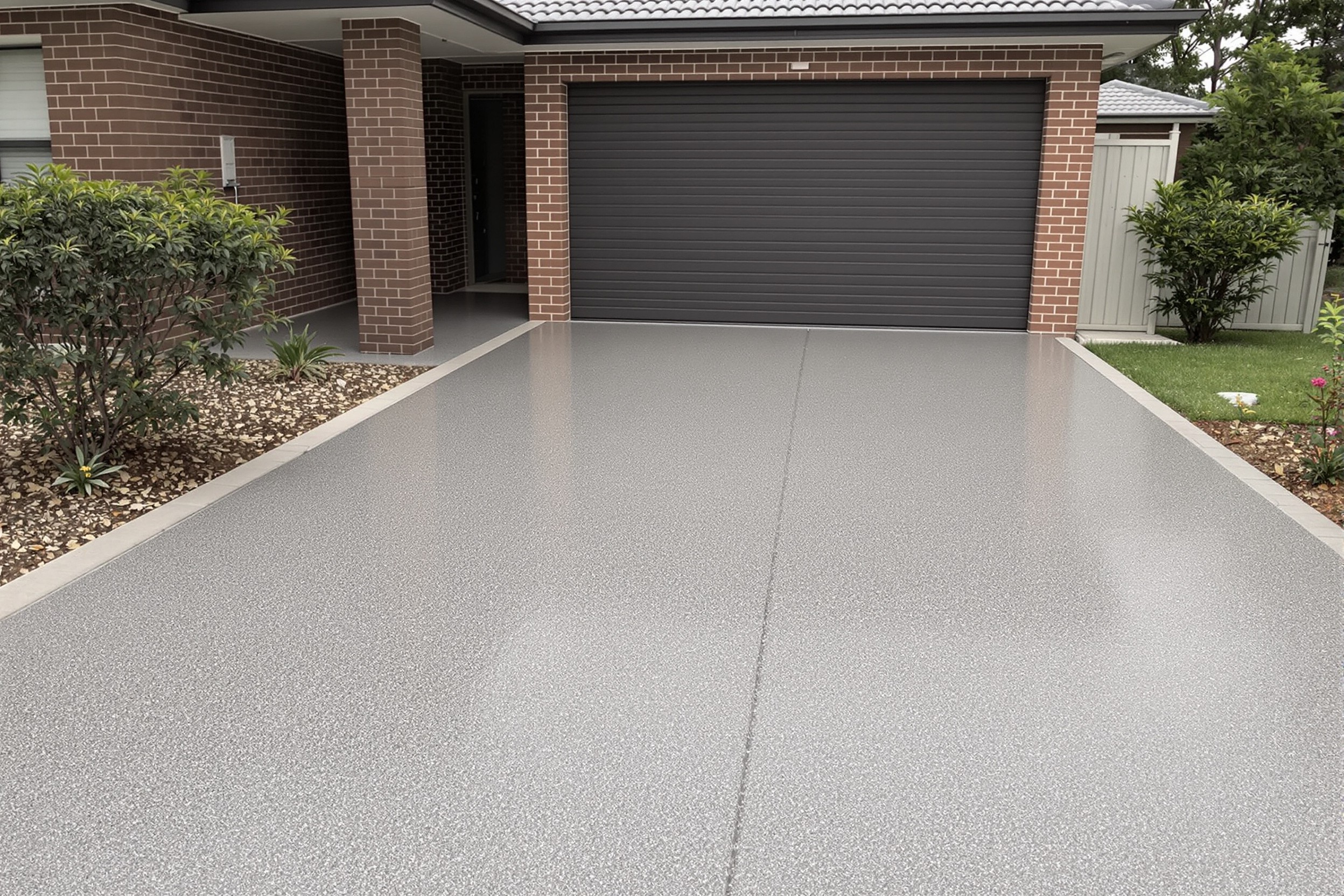
For a new build or a property that's never had one.
Removing an old, damaged or cracked driveway and starting fresh.
More parking, easier turning, or matching a renovation.
The council-facing section connecting your driveway to the road.
Driveways combined with a path or steps as one coordinated job.
Concrete is the standard material for driveways in Australia for a reason. A properly installed driveway commonly lasts in the order of 35 years, and well beyond that with the right care and maintenance.
Australian conditions work against a driveway rather than with it. Concrete expands on hot days and contracts on cold nights, and the swing between the two is largest through summer. That constant movement is what eventually causes cracking. It's a normal material property rather than a sign of poor workmanship, though the extent of it can be managed. Control joints are deliberate cut lines placed along the driveway at intervals, giving the concrete a controlled place to crack instead of cracking randomly across the slab. The number and spacing of joints depends on the specific driveway rather than a fixed template.
Sealing is the other piece of the durability picture. A concrete sealer helps prevent oil and other stains soaking into the surface, protects colour from UV fading, and improves slip resistance, which is genuinely useful on a sloped driveway. It's a maintenance item worth asking about at quote stage rather than an automatic inclusion.
Finish is a styling choice rather than a durability one. A plain finish holds up just as well as a decorative one when the base work underneath is done properly.
| Finish | Best for |
|---|---|
| Plain / broomed | Budget-conscious, clean and practical, suits a modern or architecturally simple home |
| Exposed aggregate | Grip and texture, and hides everyday marking well |
| Coloured | Matching your home's palette or street presence |
| Stamped / stencilled | A paved, brick or stone look, patterned into the concrete before it cures |
Anyone quoting a firm price before seeing your site is guessing. What we can tell you is what drives the number:
The single biggest factor.
Removing an old driveway costs more than pouring onto prepared ground.
If the truck can't get close, concrete has to be barrowed or pumped.
Plain concrete costs less than exposed aggregate, coloured or stamped.
Slope, drainage and soil type all affect preparation and control-joint layout.
30 seconds. Service, suburb, contact details.
Within our contracted response time on business days, to talk through scope and book a time.
We assess access, sub-base and drainage, and answer your questions.
Itemised, with what's included and what would change the price.
Scheduled around you, with a clear start and finish date.
A look at some of the driveway finishes we offer.
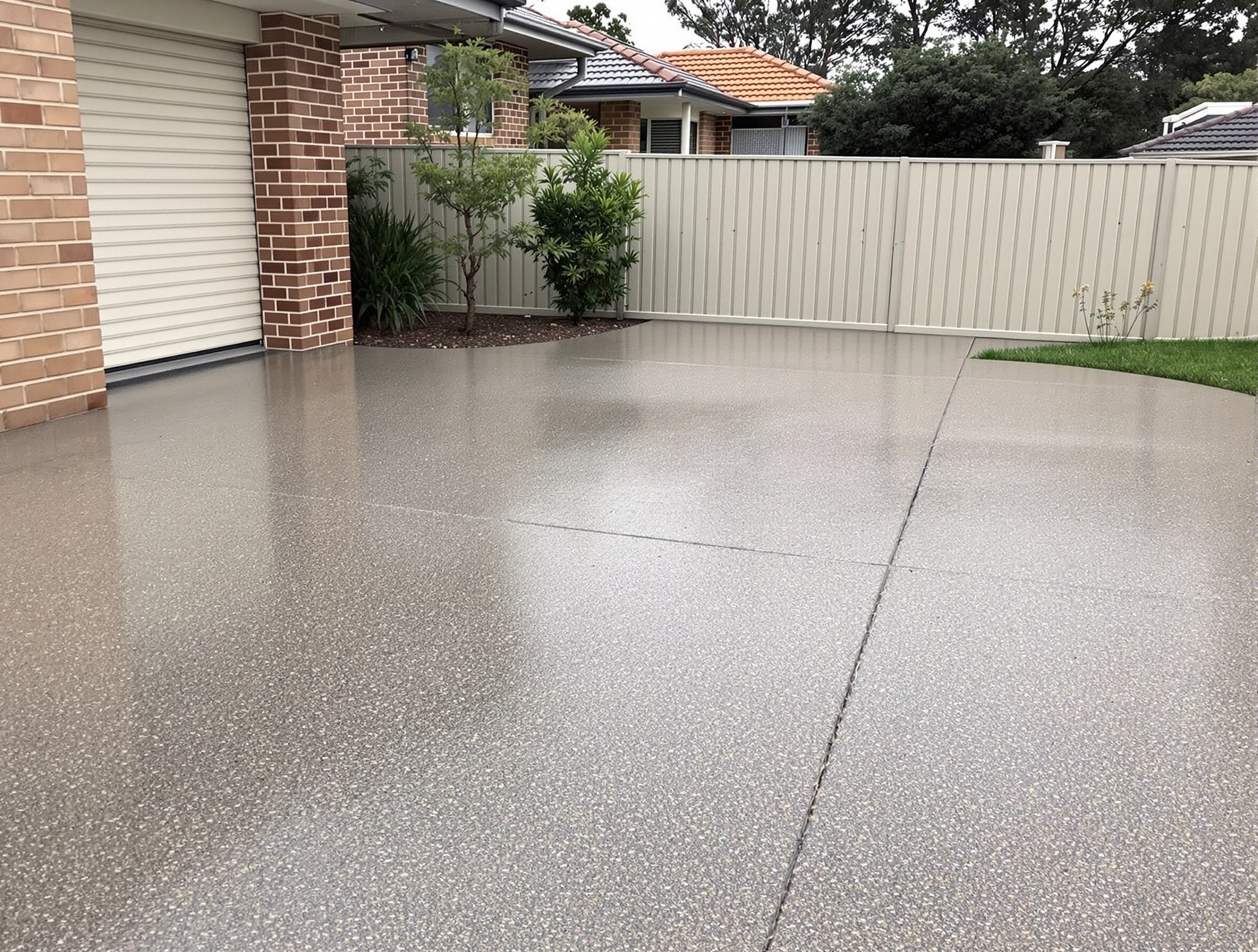 Plain / broomed
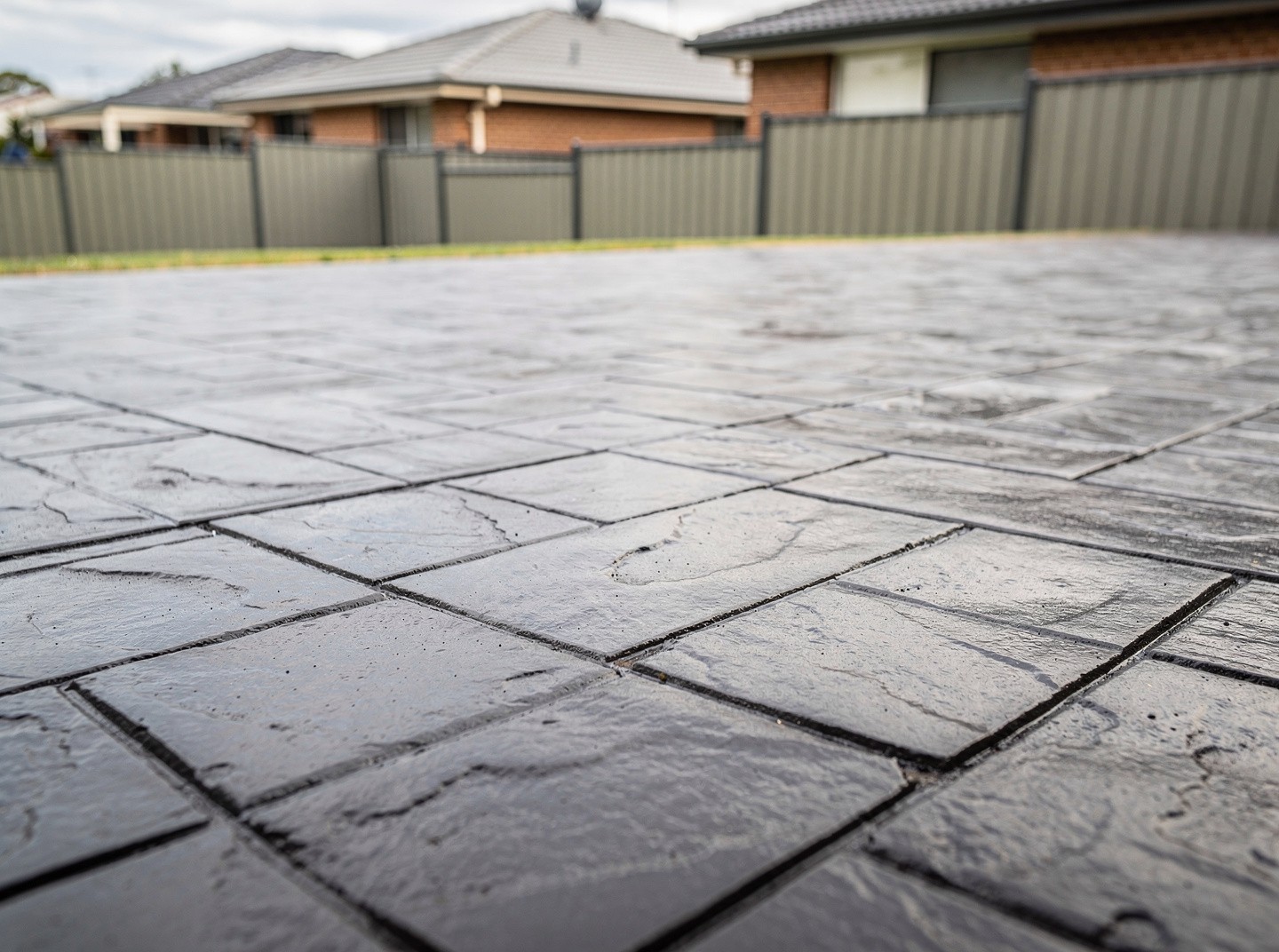 Stamped
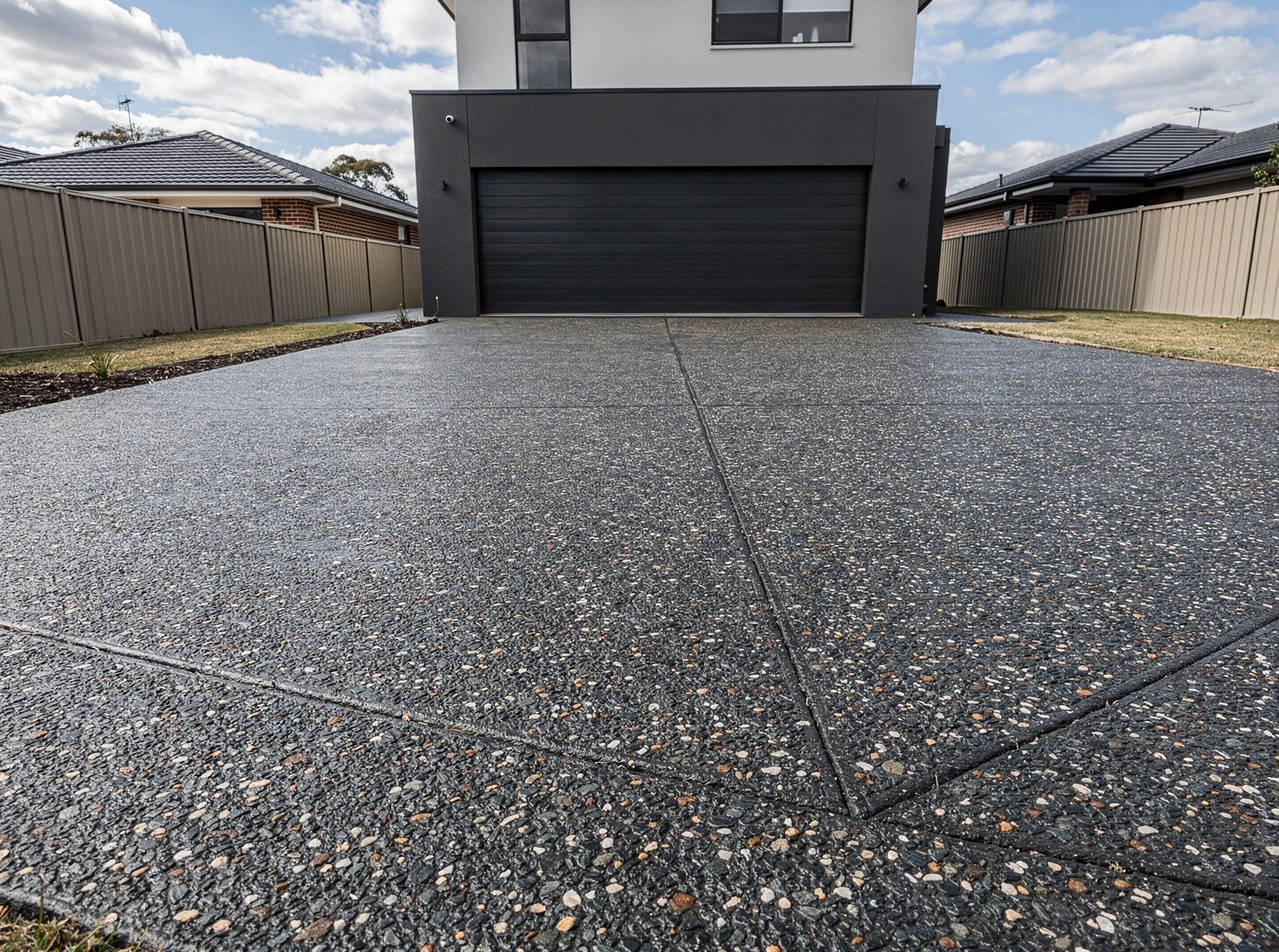 Exposed Aggregate
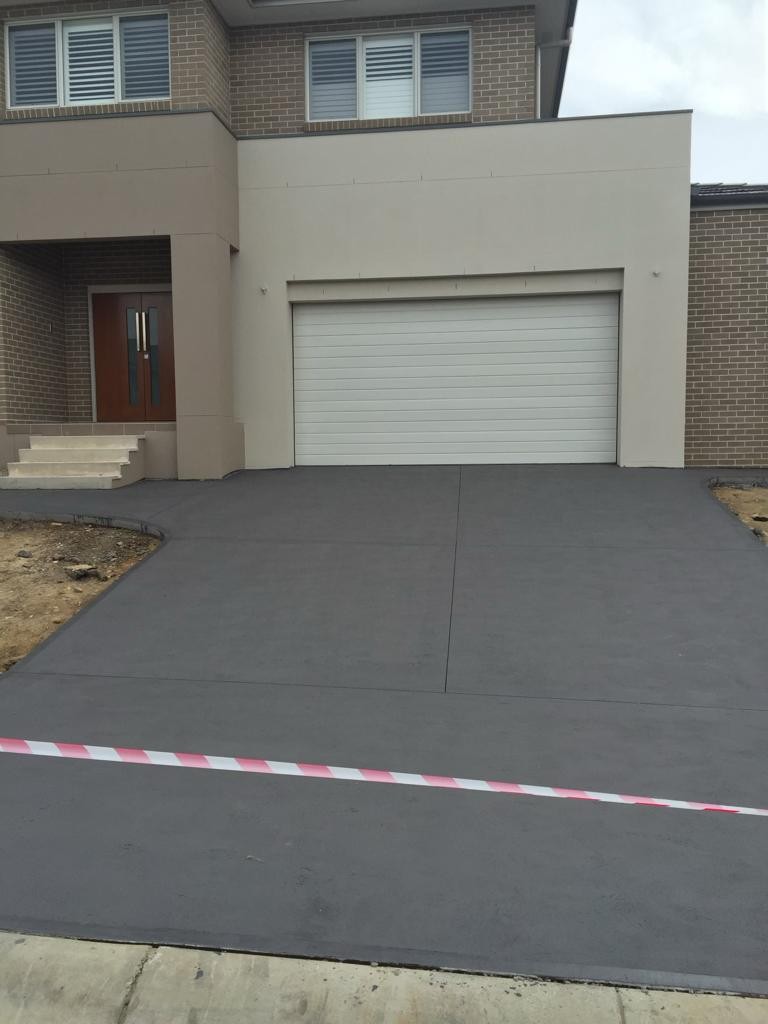 Charcoal driveway
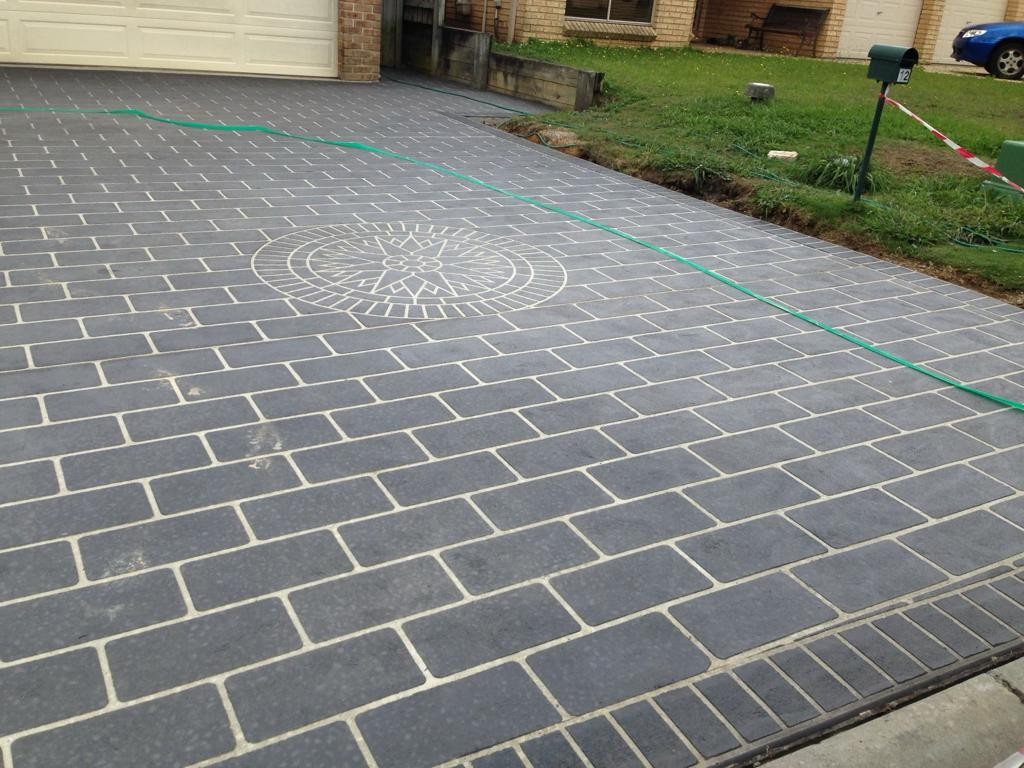 Stencilled with medallion
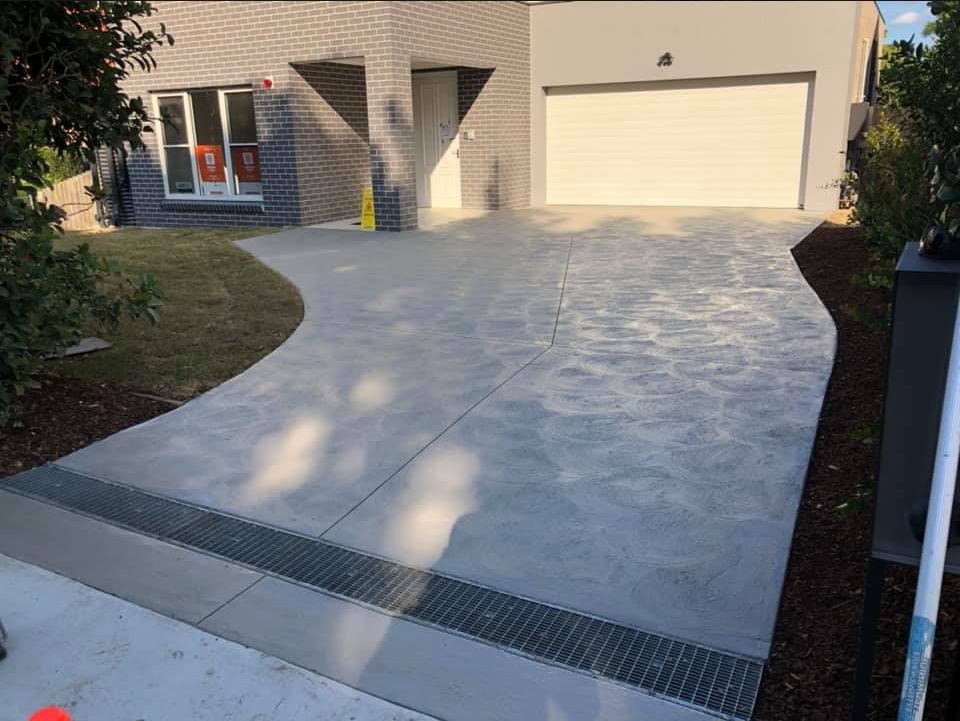 Broom finish with strip drain
House & Granny Flat Slabs · Patios & Entertaining Areas · Decorative Concrete · Footpaths & Formwork · Excavation & Site Prep · Commercial Concreting